
Flash Floods in Johor Bahru: What Travellers Need to Know
Johor Bahru experienced flash floods following heavy rain on 30 September 2026. Here's what travellers should know about affected areas, driving conditions and staying safe during heavy rain.

Johor Bahru experienced flash flooding on Wednesday, 30 September 2026, following heavy afternoon rain.
Several roads and areas across the city were affected, with flooding disrupting traffic and leaving some vehicles stranded.
For travellers visiting Johor Bahru, the incident is a reminder that heavy rain can quickly affect road conditions and travel plans, particularly in low-lying areas.
If you're planning to drive around JB, here's what you should know.
What Happened in Johor Bahru?
Heavy rain began around 1:00 PM on 30 September, with several areas in Johor Bahru subsequently experiencing flash floods.
Reportedly affected roads and areas included:
- Jalan Kolam Air
- Jalan Ayer Molek
- Jalan Yahya Aw
- Jalan Pantai
- Jalan Wong Ah Fook
- Tampoi
- Taman Perling
Jalan Kolam Air in particular was among the areas where emergency services responded to reports of flash flooding.
The Johor Fire and Rescue Department said its team arrived at Jalan Kolam Air shortly after receiving a distress call and found that affected people had moved out of the area. The situation was reported to be under control.
Reports also indicated that floodwaters began to recede by around 7:00 PM.
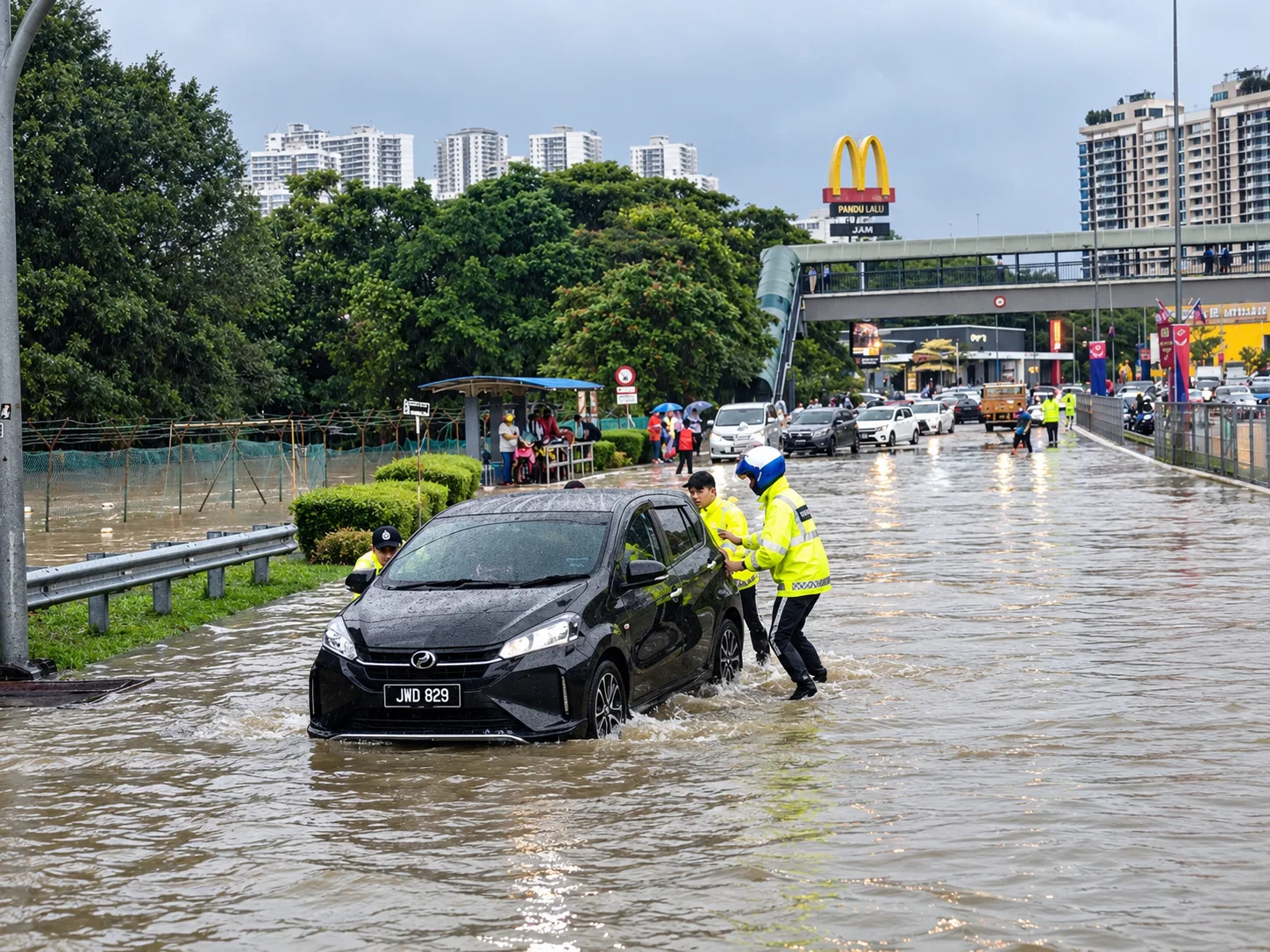
sourrce : https://paultan.org/bm/2023/12/06/johor-bahru-dilanda-banjir-kilat-25-lokasi-terlibat/
Which Areas Were Affected?
The flooding was reported in several parts of Johor Bahru.
Among the roads mentioned in reports were Jalan Kolam Air, Jalan Ayer Molek, Jalan Yahya Aw, Jalan Pantai and Jalan Wong Ah Fook.
Parts of Tampoi and Taman Perling were also reported to have experienced flash flooding.
This does not mean these areas remain flooded throughout the day.
Flash floods can develop and recede quickly depending on rainfall and drainage conditions.
For travellers, the important thing is to check current road conditions before starting your journey, especially after heavy rain.
Why Can Flash Floods Affect Travel So Quickly?
Heavy rainfall can cause water levels on roads to rise quickly, particularly in areas where drainage systems cannot clear the water fast enough.
This can affect:
- Traffic flow
- Road visibility
- Vehicle movement
- Parking areas
- Access to shopping centres
- Hotel access
- Public transport
- Airport journeys
A road that was completely normal earlier in the day can become difficult to pass after a period of intense rain.
That's why travellers should avoid assuming that a route is safe simply because it was clear earlier.
Driving in JB During Heavy Rain
If you're driving around Johor Bahru when heavy rain starts, slow down and give yourself more time.
1. Reduce your speed
Wet roads reduce visibility and can make it harder to react to hazards.
2. Keep a safe distance
Give yourself more stopping distance from the vehicle in front.
3. Avoid flooded roads
If water has accumulated across the road and you cannot clearly judge its depth, do not attempt to drive through it.
4. Don't follow another car blindly
The vehicle in front may appear to pass through safely, but water depth can vary across the road.
5. Look for alternative routes
If your navigation app shows congestion or road disruption, consider waiting or taking another route.
What If You're Driving a Rental Car?
If you're travelling around JB in a rental car, take extra care during periods of heavy rain.
A rental vehicle is still your responsibility while you're using it, so don't take unnecessary risks simply because you're unfamiliar with the area.
If you encounter flooding:
Stop → Assess → Avoid the flooded section → Find a safer route
Do not continue simply because the road appears passable.
If the water level is rising, move to a safe location and contact the relevant authorities or emergency services when necessary.
What Should Tourists Do During Heavy Rain?
If you're visiting JB and heavy rain begins, you don't necessarily need to cancel your plans immediately.
Instead, consider changing the timing of your activities.
For example:
Outdoor activity → Heavy rain → Indoor activity → Continue travelling when conditions improve
You could use the time to visit:
- Shopping centres
- Cafés
- Restaurants
- Indoor attractions
- Hotels
- Covered public areas
Once conditions improve, check the road situation before continuing.
Check the Weather Before Leaving
METMalaysia's forecast for Johor on 1 October 2026 indicates isolated thunderstorms over inland areas, with further thunderstorm potential on the following days.
For that reason, travellers should check the latest forecast before starting a road trip.
Don't rely only on the weather you see outside your hotel.
Weather conditions can differ between different parts of Johor Bahru.
Official weather source:
METMalaysia – Johor Weather Forecast
Check Flood and Rainfall Information
Travellers can also refer to the Department of Irrigation and Drainage's official Public InfoBanjir system for rainfall and flood-related information.
The portal provides rainfall and water-level information for different areas in Malaysia.
Official flood information:
Travelling Around JB After Heavy Rain
If you're planning to travel around Johor Bahru after heavy rain, allow extra time.
A normal 20-minute journey can take considerably longer if:
- Roads are flooded
- Traffic is diverted
- Vehicles are stranded
- Visibility is poor
- Traffic lights or intersections become congested
If you're heading to the airport, a hotel, a meeting or an attraction, leaving earlier is better than trying to make up time later.
If You Have a Rental Car in JB
For travellers renting a car in Johor Bahru, weather conditions are another reason to plan your route carefully.
If you already have a rental car, check the weather before starting your journey and avoid areas where flooding has been reported.
For travellers who need a car during their JB trip, Senjalan provides car rental options for visitors exploring Johor and Malaysia.
Explore Car Rental with Senjalan
The goal isn't simply to get from one place to another quickly.
It's to travel safely and give yourself enough flexibility when weather conditions change.
What to Do If Your Route Is Flooded
If you encounter a flooded road:
Stop
Don't enter water simply because other vehicles are doing so.
Find a safe place
Move away from the flooded section if it is safe to do so.
Check another route
Use navigation apps to look for alternative roads, but remember that navigation information can sometimes lag behind real-world conditions.
Wait if necessary
If the rain is extremely heavy, waiting in a safe location may be better than continuing.
Follow official instructions
If authorities close or restrict a road, follow their instructions.
What About Your Travel Plans?
A flash flood doesn't necessarily mean your entire JB trip needs to be cancelled.
Instead, assess the situation based on:
- Your location
- Current road conditions
- Weather
- Destination
- Time of day
- Transport options
If conditions have improved and roads are clear, you may be able to continue your plans.
If heavy rain continues, consider delaying outdoor activities.
Is Johor Bahru Safe to Visit After a Flash Flood?
A flash flood in one part of Johor Bahru does not automatically mean the entire city is affected.
Conditions can change quickly.
Some roads may remain accessible while others experience temporary flooding or congestion.
The most useful approach is to check conditions for your specific route and destination shortly before travelling.
For visitors, flexibility is often more useful than completely changing an itinerary based on a single weather event.
Travel Smart During Heavy Rain
Johor Bahru can experience sudden heavy rain, and flash flooding can temporarily affect roads and travel plans.
The best approach is simple: check the weather, check your route, allow extra time and never take unnecessary risks on flooded roads.
If you're exploring JB by car, flexibility can make your trip easier when weather conditions change.